Gym Equipment Certifications: What They Are and Why They Matter
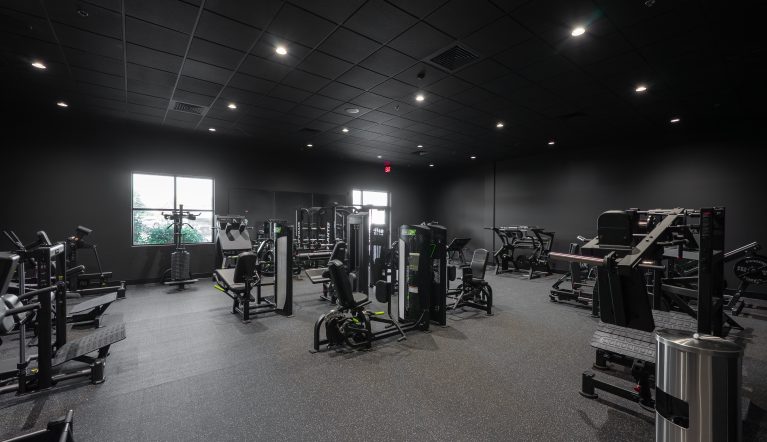
With 409,224 exercise equipment injuries reported by the National Safety Council in 2021 alone, the difference between certified and uncertified gym equipment is a safety and liability decision that affects every commercial facility. Here’s what gym equipment certifications actually cover, which standards matter for your market, and how to find and verify the right gym equipment before you buy.
What Is a Gym Equipment Certification?
A gym equipment certification is a formal verification that a specific product has been tested against the requirements of a recognized standard by an accredited third-party body. Unlike a trainer certification or certification course in personal training, which validates an individual’s skills and knowledge, a gym equipment certification validates the product itself. It’s different from self-declared compliance, where a manufacturer claims adherence without independent evaluation.
It’s also distinct from mandatory market markings like CE, which indicate regulatory conformity rather than voluntary quality verification. In practice, gym equipment certification helps ensure that the design, materials, and construction of the equipment have gone through a rigorous evaluation process before the product reaches a facility floor.
Manufacturers pursue certifications to meet market requirements, reduce liability exposure, and earn buyer trust. Certification allows a manufacturer to demonstrate investment in quality beyond the minimum, which translates into broader market access, better positioning in procurement decisions, and a higher standard of safety that benefits every facility and end user.
Key Gym Equipment Certification Standards
Gym equipment certifications are governed by multiple standards that vary by region and scope. Some focus specifically on product safety and strength requirements for training equipment, while others address manufacturing quality, environmental practices, or occupational health at the organizational level. The following overview covers the most relevant gym equipment certification standards for commercial exercise equipment, organized by scope.
These include both product-level safety standards and organizational management certifications. Understanding each one helps facility buyers evaluate equipment with a comprehensive, standards-based lens that accounts for the specific needs of their market.
ISO 20957: The International Standard for Stationary Training Equipment
ISO 20957 is the primary international standard for stationary training equipment. It establishes safety, strength, and stability requirements for a specific range of machines, including exercise bikes, strength training equipment, functional training machines, and treadmills. The standard includes rigorous resistance and endurance testing designed to simulate the constant loads and daily use that commercial equipment must withstand.
ISO 20957 is a multi-part standard, with each part addressing different equipment categories and design requirements. Gym equipment certification under this framework covers everything from exercise bikes to strength machines. In Europe, the standard has been adopted as EN 957 (also known as BS EN 957), which is technically identical and referenced for CE marking compliance in EU markets. Manufacturers building for international distribution typically certify against ISO 20957 to cover both frameworks.
ASTM Standards for Fitness Equipment
In the United States, ASTM International publishes several standards that define safety and design requirements at a specific level for fitness equipment. ASTM F2276 is the Standard Specification for Fitness Equipment, covering stability, support structures, edges and corners, moving parts, squeeze, shear, and crush points, adjustment and locking mechanisms, handgrips, and load-bearing components. It applies to gym equipment designed for users aged 12 and older.
ASTM F2216 focuses on selectorized strength equipment, establishing requirements for weight stack machines. ASTM F1749-15(2020) addresses safety signage and labels for exercise equipment and fitness facilities, an often overlooked but essential element following the high injury numbers reported by the NSC. While these are US-focused standards, they’re widely referenced internationally and include requirements that align with global best practices within the fitness industry.
ISO 9001, ISO 14001, and ISO 45001: Management System Certifications
Beyond product-level standards, management system certifications evaluate the quality and consistency of a manufacturer’s business processes. ISO 9001:2015 certifies a Quality Management System, ensuring that the manufacturer maintains a consistent production program with reliable results across the complete product line. Leading manufacturers in the industry hold ISO 9001 certification as a standard part of their operations.
ISO 14001 addresses Environmental Management Systems and has become increasingly important for ESG-conscious facility buyers working to align procurement with sustainability goals. ISO 45001 certifies Occupational Health and Safety Management Systems, confirming that the manufacturer prioritizes safe working conditions throughout production. Together, these requirements ensure that a manufacturer’s processes meet recognized benchmarks for quality, environmental responsibility, and worker safety.
CE Marking and Regional Compliance
CE marking is a mandatory requirement for gym equipment sold within the European Union. It demonstrates that the product conforms with EU health, safety, and environmental directives, and it must be obtained before a manufacturer can access the EU market. Because CE marking references the EN 957 standard for stationary training equipment, gym equipment certification under this framework is effectively required for any business seeking EU distribution.
In North America, UL and CSA certifications address electrical safety for motorized commercial equipment such as treadmills and exercise bikes. These certifications ensure that electrical components meet the applicable standard for safe operation. REACH compliance, another EU regulation, governs the chemicals used in materials, coatings, and paints during manufacturing. For international buyers sourcing equipment across regions, understanding which certifications are available and required in each market is essential for a smooth procurement process.
How Gym Equipment Gets Certified
Gym equipment certification involves multiple stages, from initial testing and documentation review through ongoing surveillance. To meet the requirements of any recognized standard, manufacturers must provide complete test results from accredited labs, undergo factory audits, and ensure ongoing compliance. Understanding how gym equipment gets certified, and the time it takes, gives facility buyers a clear picture of what stands behind a certified product based on rigorous, multi-stage verification.
Testing and Evaluation Process
Physical testing is at the core of every equipment certification. Accredited testing bodies such as TÜV SÜD, QIMA, Intertek, and SGS conduct evaluations based on the applicable standard’s specific requirements. For strength training equipment, this typically includes load testing, endurance cycling that simulates thousands of practical use cycles, stability assessments, and biomechanical evaluations of movement paths and adjustment mechanisms.
Testing protocols vary by equipment type and machine category. A selectorized bodybuilding machines unit undergoes different power and load evaluations than a cardio machine. Each test is designed to replicate the working conditions of daily commercial use, verifying that the exercise equipment delivers consistent performance under demanding, real-world conditions. The results determine whether the equipment meets the requirements for certification.
Documentation and Quality Audits
Beyond physical testing, the gym equipment certification process requires comprehensive documentation that must include design files, material specifications, risk assessments, and full production records. Manufacturers need to provide this information to demonstrate that their products meet the requirements of every applicable standard. For management system certifications like ISO 9001, on-site factory audits are conducted to ensure that quality control processes align with the documented benchmarks.
Gym equipment certification isn’t a one-time event. Ongoing surveillance audits verify that manufacturers maintain their certified standards over time, confirming that production quality hasn’t degraded and that any changes to materials, processes, or suppliers have been properly managed. This complete cycle of initial evaluation and ongoing verification, based on continuous accountability, is what gives certifications their credibility in the market.
What Gym Equipment Certifications Change for Your Facility
Gym equipment certifications carry practical implications for facility operators that go beyond a label on a machine. They affect safety outcomes, equipment longevity, and procurement decisions, delivering real benefits to clients, customers, and members alike. Whether you manage a small commercial gym or a network of gyms, understanding what certified equipment changes for your facility will help you choose with confidence and ensure that quality is built into every piece of equipment on your floor.
Safety and Liability Protection
Every workout session, whether led by a personal trainer, part of a group class, or completed independently in a dedicated training space, depends on equipment that performs safely and reliably. Gym equipment certification confirms that machines have been tested to meet established safety requirements, reducing the risk of equipment-related injuries. Given the NSC’s reported 409,224 exercise equipment injuries in 2021, ensuring your facility uses tested and certified machines is a responsibility that every gym operator needs to take seriously. From a health and liability perspective, certified equipment helps demonstrate duty of care, which is critical for insurance coverage and risk management.
Many insurance providers and institutional operators now require certified equipment as a condition of coverage, so facility managers need to ensure their equipment meets these expectations. For gym equipment solutions serving high-traffic commercial training environments, this layer of verified safety isn’t just beneficial. It’s a must for responsible facility management.
Equipment Durability and Performance
Gym equipment certification testing simulates years of commercial use, subjecting each machine to repeated load cycles, stress tests, and component fatigue evaluations. Gym equipment that passes these certification tests has demonstrated structural integrity and consistent performance under demanding conditions. This translates directly into fewer equipment failures, lower maintenance costs, and a longer service life that protects your investment.
For facility operators who need premium equipment that delivers reliable results over many years, certification serves as a practical indicator of build quality. Well-designed strength equipment is far less likely to require early replacement, reducing total cost of ownership and minimizing disruption to the training experience for your members.
Buyer Confidence and Procurement Decisions
In commercial procurement, gym equipment certifications serve as a trusted shorthand for quality that simplifies business decisions. When evaluating options from multiple manufacturers, certifications offer an objective basis for comparison. This is especially relevant for institutional and government facilities, where RFP and tender processes often include specific certification requirements, creating opportunities for a more transparent and comprehensive evaluation.
Certifications provide procurement teams with the information they need to choose the right gym equipment confidently without requiring deep technical knowledge of every product specification. For clients and customers managing large-scale facility projects, working with a leading manufacturer that can offer certification documentation simplifies the evaluation experience and reduces risk across the entire equipment plan.
How to Choose Certified Gym Equipment
Gym equipment certification documentation should be your first request when selecting new equipment for a commercial facility. Verify that the certifications match the requirements for your market: ISO 20957 for international procurement, ASTM standards for the United States, and EN 957 combined with CE marking for European markets. You need to confirm that the specific model you want is certified, not just the manufacturer’s brand or a different product line. A variety of equipment may fall under the same brand, but certifications apply to individual products, so it’s important to make this distinction.
Beyond product-level gym equipment certifications, consider management system certifications like ISO 9001 as indicators of consistent manufacturing quality. A manufacturer with ISO 9001 certification maintains documented quality controls across all production. Evaluate whether the manufacturer can provide test reports from accredited labs, and learn to distinguish a professional fitness equipment supplier with verified credentials from one that only claims compliance. Look for innovative gym equipment from companies that include certification as a standard part of their development process to ensure quality is built in from the start, not added as an afterthought.
Frequently Asked Questions About Gym Equipment Certifications
What Is the Difference Between ISO 20957 and EN 957?
EN 957 is the European adoption of ISO 20957. The 2 standards are technically identical in their requirements, but EN 957 is the specific version referenced for CE marking compliance in EU markets. If training equipment meets ISO 20957, it effectively meets EN 957 as well. For manufacturers selling internationally, certification against ISO 20957 covers both frameworks and includes EU market readiness through the EN 957 reference.
Are Gym Equipment Certifications Mandatory?
The requirement for gym equipment certifications depends on the market. CE marking is a mandatory requirement for equipment sold in the European Union, so manufacturers must comply to gain access. In North America, gym equipment certifications aren’t legally required, but they may be practically expected by commercial buyers, insurance providers, and institutional procurement processes. Facilities that need certified equipment to meet insurance or tender requirements should verify compliance before purchasing.
How Can I Verify a Manufacturer’s Certifications?
Request gym equipment certification reports and documents directly from the manufacturer to ensure you have the full content of their certification package. Check that the testing laboratory is accredited by a recognized body, and look for specific certificate numbers on the documentation. Many accredited bodies also allow you to verify certificates online. A quality manufacturer will provide this information readily, making the process straightforward and helping you choose certified equipment with confidence.
Does Atlantis Strength Equipment Hold Certifications?
Atlantis Strength is committed to delivering certified, commercial-grade strength equipment built to meet the highest quality and performance standards. With over 40 years of experience and a reputation for premium craftsmanship, Atlantis serves gym and fitness facility operators across more than 65 countries. For specific certification documentation related to any equipment in the Atlantis lineup, contact us directly.