The Atlantis Power Squat: Where Strength, Hypertrophy, and Joint Longevity Meet

DSC00554

The debate between free weights and machines has always missed the point.

The real question is not which tool is better, but which tool allows the legs to produce the most force, for the longest time, with the least cost to the body.

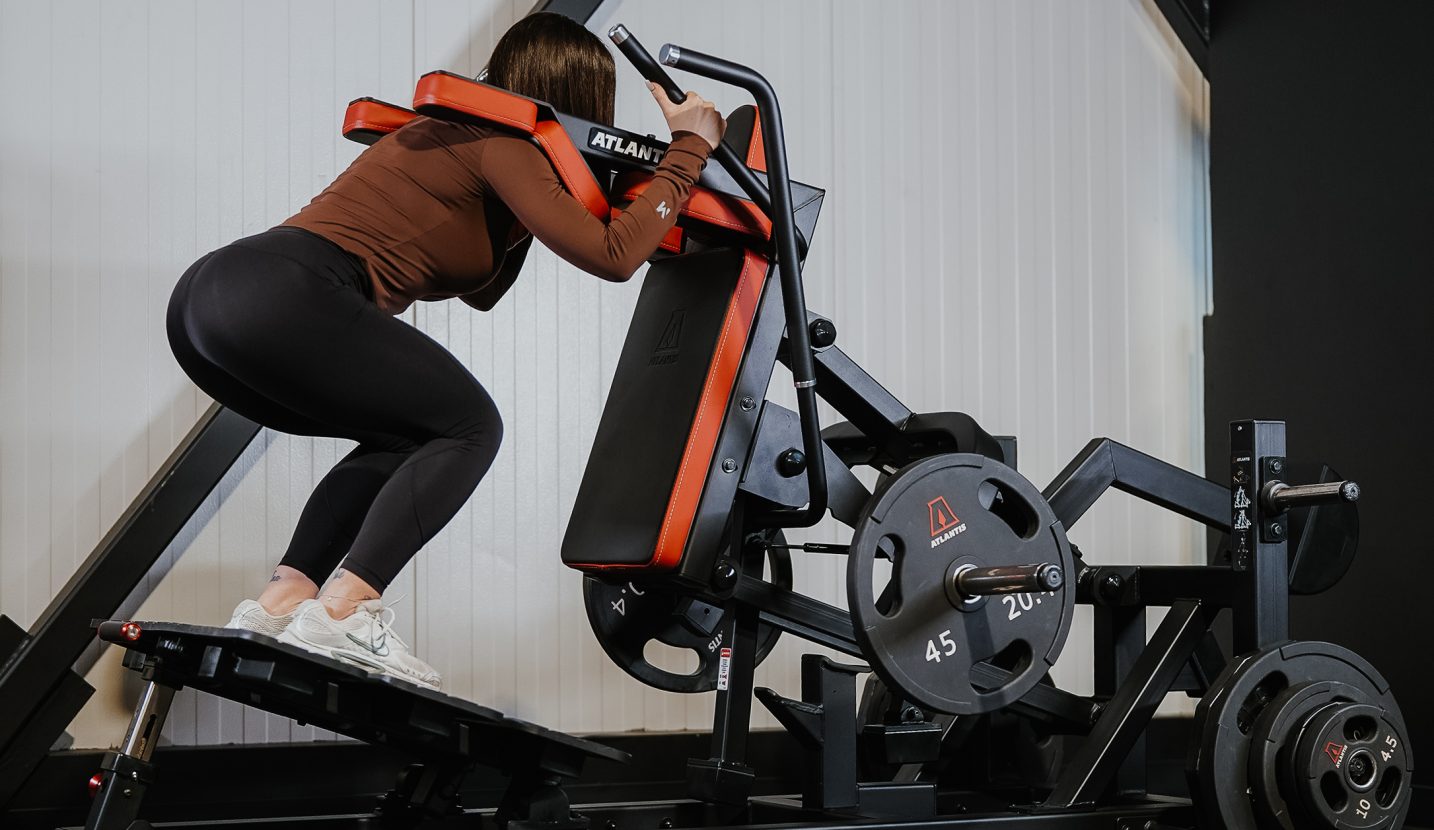
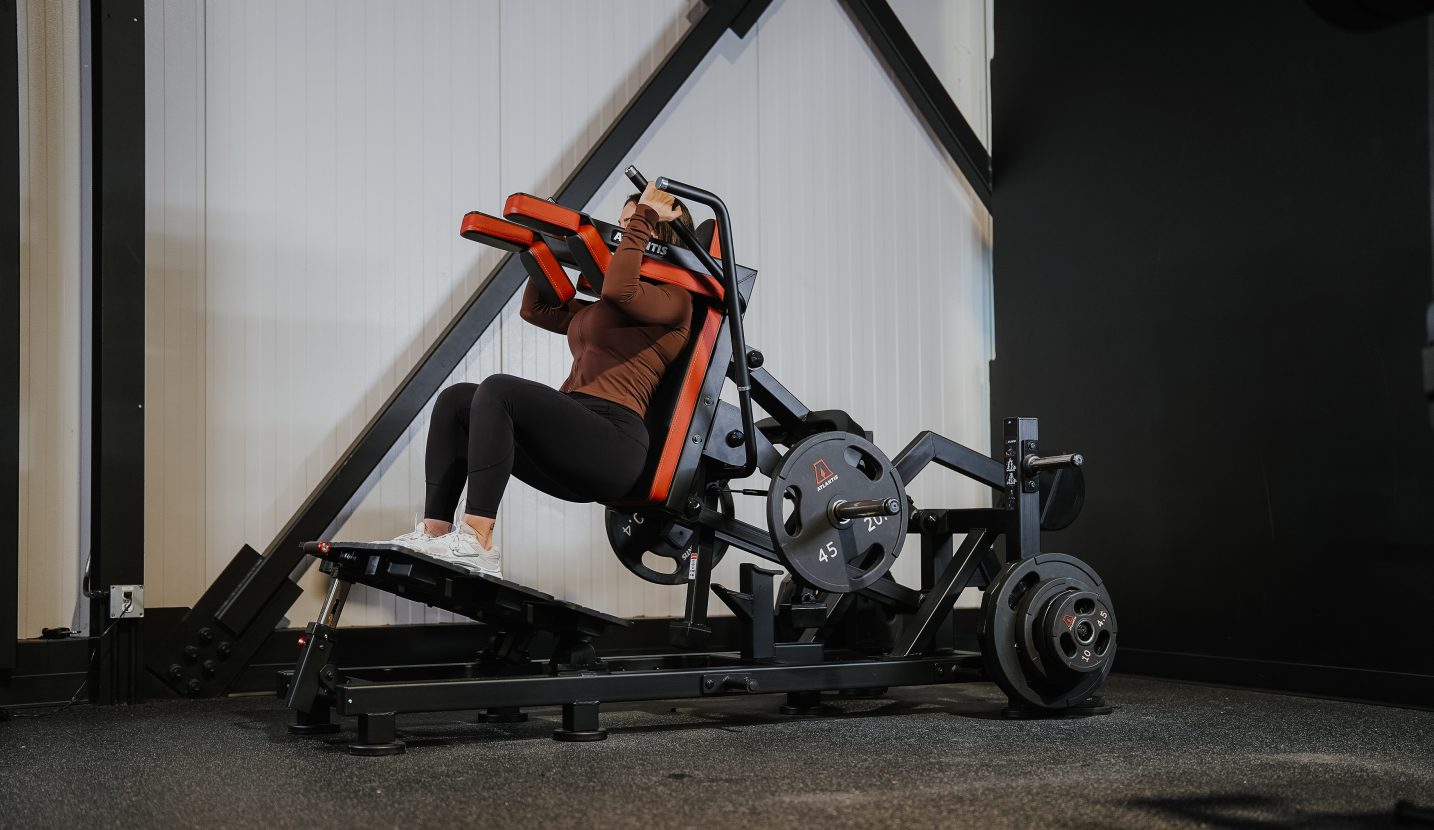
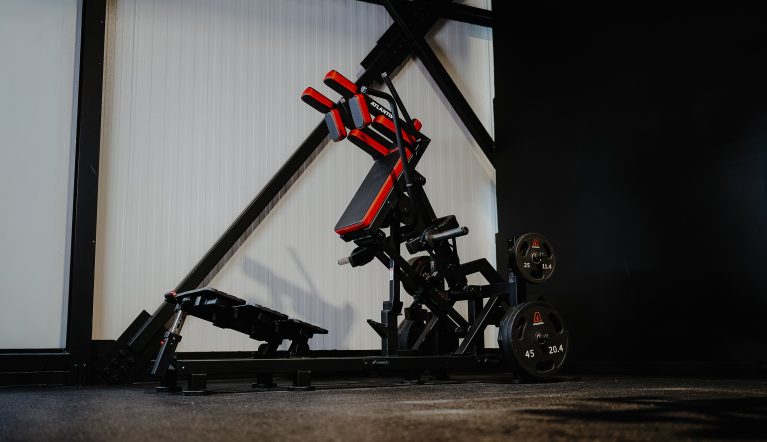
That is where the Atlantis Power Squat separates itself from every other squat machine. It is not a leg press. It is not a hack squat. It is a guided squat pattern that allows the hips and knees to move naturally while removing the instability and spinal compression that often limit progress.

For bodybuilders, this means deeper muscle stimulation and safer overload.
For athletes, it means higher force output without sacrificing performance.
For anyone training long-term, it means building legs that are not just strong, but durable.

Squatting Is Not a Barbell Skill, It Is a Joint Strategy

Every squat is governed by three things:

The barbell is just one way to load that pattern. But when you load a squat with a barbell, the movement becomes limited by:

These are not leg problems; they are bottlenecks.

The Atlantis Power Squat fixes the bar path and center of mass, ensuring:

This shifts the limiting factor back to where it belongs:
the quads, glutes, and adductors.

That is why lifters almost always feel their legs more on this machine, not because it is easier, but because it is more biomechanically honest.


Why the Power Squat Builds More Usable Strength

In free-weight squats, force production is capped by the need to stabilize in three dimensions. The legs are often capable of more than the body can safely express.

On the Power Squat:

This allows:

That is usable lower-body strength, strength that belongs to the legs, not borrowed from the spine and core.

Recovery, Volume, and Longevity

Muscle recovers quickly.
Joints and nervous systems do not.

Barbell squats impose heavy:

The Power Squat dramatically reduces all three.

Because the load is guided and the torso is supported:

This allows more:

You can train legs hard without feeling wrecked, which is exactly what both bodybuilders and athletes need.

DSC00721

Two Squat Patterns, One Machine

One of the unique strengths of the Atlantis Power Squat is that it can be used from both sides.

Facing forward

This increases:

  • Knee travel
  • Quad emphasis
  • Upright posture

It mimics a front squat or hack squat, but with smoother resistance and less joint stress.

Facing backward

This increases:

  • Hip hinge
  • Glute and adductor loading
  • Posterior-chain involvement

This feels closer to a safety-bar or pendulum squat.

One machine can therefore train:

  • Quad-dominant patterns
  • Hip-dominant patterns
  • And everything in between
DSC00729

Machines vs Barbells: The Real Truth

Muscle does not recognize barbells or machines.
It recognizes tension, stretch, and effort.

From a hypertrophy standpoint, the Power Squat can match — and often exceed — barbell squats because:

  • You can train closer to failure
  • You can accumulate more volume
  • You are not limited by balance or back fatigue

Barbells still matter for:

  • Coordination
  • Movement skill
  • And force transfer

Machines build:

  • Capacity
  • Tissue tolerance
  • And fatigue-efficient volume

The smartest systems use both.

Why Atlantis Makes the Difference

Atlantis designs machines around human force curves, not convenience.

The Power Squat maintains tension:

That is why it feels smooth yet brutally effective, the resistance matches the body instead of fighting it.

Final Thoughts

The Atlantis Power Squat is not a replacement for squatting; it is a refinement of it.

It allows:

Whether you are building muscle, improving athletic output, or simply trying to train hard for decades instead of years, this machine belongs in your lower-body arsenal.